
How AI Is Reshaping the Fashion Industry
BY Kat Crispo ★ november 1st, 2026
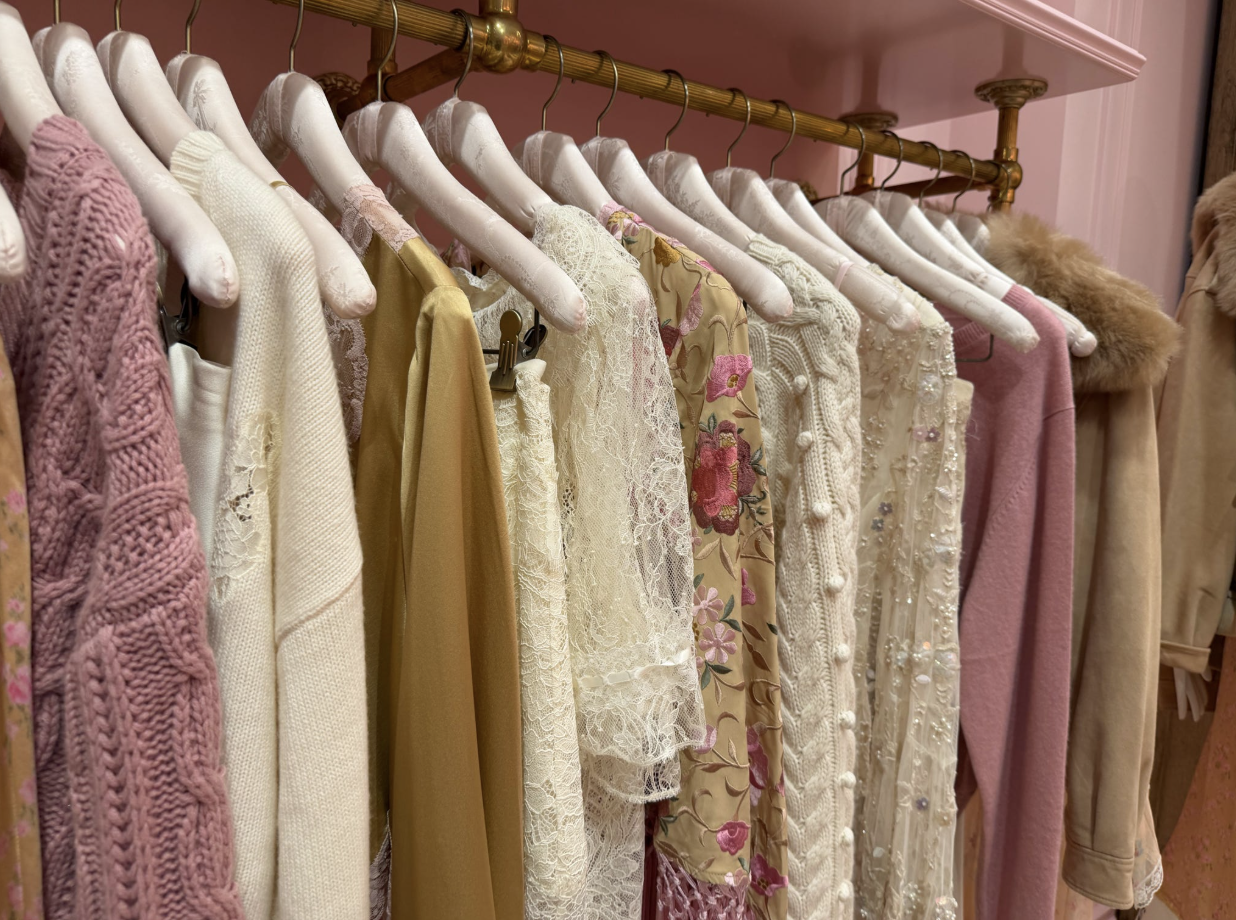
Photo Credit: Alexa Reese
Artificial Intelligence (AI) is now a common feature of every sector of the market. It helps us summarize emails for work, build study guides for school, and find the best first date spot near campus. But AI has also seeped into the fashion industry, and it's starting to reshape careers and production processes of brands. Although its main purpose is to boost efficiency and creativity, we must ask: is AI a new beginning for the fashion industry, or a sign of the end of it?
First, let’s look at how AI is improving the fashion industry. With the quick pace of the industry, brands struggle not only to follow trends, but to set trends. This is where AI steps in. In an interview with NPR in 2025, Noémie Voyer, fashion expertise lead at Heuritech, said “Our models track everything from runway shows to social media.” Heuritech works with brands such as New Balance, Skims and Prada. The AI platform scans social media images and videos to analyze details, like colors, textures, patterns and prints. The data these AI models collect is used to create trend forecasts that Voyer can bring to brands. The predictions are so specific that brands can be told an optimal time to launch and how to reduce overstock and waste by creating sales strategies.
AI also plays an important role in the way consumers view products from brands. In 2023, Levi Strauss & Co partnered with Lalaland.ai, hoping to create clothing campaigns with AI models. In a statement, LS&Co wrote that the AI platform “uses advanced artificial intelligence to enable fashion brands and retailers to create hyper-realistic models of every body type, age, size and skin tone.” In other words, LS&Co partnered with Lalaland.ai to simulate more diverse models. However, many critics and customers decried the move, calling it a shortcut rather than a genuine effort to be more inclusive.
But with all new technologies, there comes many downsides. These AI platforms are extremely harmful to the environment. While they try to make brands less wasteful, AI data centers require immense amounts of electricity, which means they also require immense amounts of water for their cooling systems. At the start of the AI boom in 2023, US data centers consumed 176 terawatt-hours of electricity, which can compare to the electricity use of medium-sized countries, like Norway. This meant the data centers also used around 66 billion liters of water. These large scale data centers tend to compete with nearby cities and towns for the same freshwater source, which can trigger water-use restrictions for locals during droughts or drier months. And because the water that is returned to streams and lakes is often at a higher temperature, dissolved oxygen levels in the water can decrease, causing algal blooms and harming aquatic life.
Critics also warn that the presence of AI in fashion will increase the already growing aesthetic homogenization, a phenomenon of similarity in all aspects of creativity. Since AI platforms are drawn to trends and more mainstream images and concepts, they provide similar ideas for brands to use, instead of groundbreaking designs.
AI can sharpen trend forecasting, cut down on overproduction, and possibly generate more diversity in advertising. But it also carries real environmental costs and risks dampening the “soul” that makes fashion matter in the first place. Fashion’s use of AI is no longer in question; the dispute is over its limits. Can AI be a tool that works alongside us to foster human creativity, or will it eventually decide what we wear?
Edited by: Charlene Nomeny